Celebrating Tiny Achievements with the Class of 2039 Embroidery Design
The journey of early childhood education is marked by milestones that, while seemingly small to an adult observer, represent monumental leaps in a child's development. For parents and educators alike, capturing these moments requires more than just a photograph; it demands a tangible keepsake that honors the effort and joy of the little ones graduating from kindergarten or preschool. The Class of 2039 Embroidery Design offers a unique solution for commemorating this specific cohort of young scholars. Unlike standard printed graphics, embroidery adds texture, durability, and a sense of craftsmanship that elevates simple garments into cherished heirlooms.
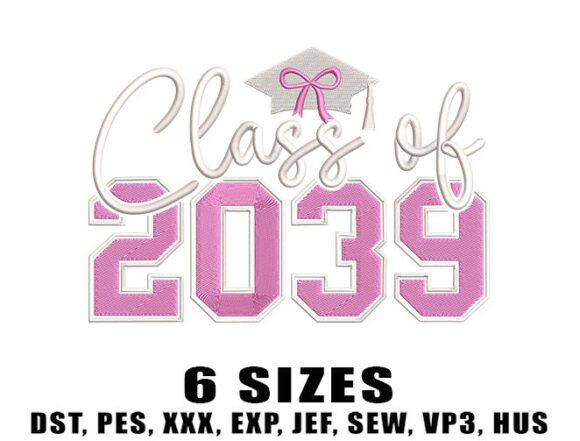
This digital resource is specifically tailored for those who understand the value of personalized memorabilia. It features an adorable graduation design complete with a cap and bow, elements that instantly communicate celebration and achievement. By focusing on the Class of 2039, creators can ensure that their projects are timely and relevant for children currently navigating the earliest stages of formal schooling. Whether you are a professional embroiderer running a custom apparel business or a hobbyist creating gifts for family, understanding the nuances of this design file is essential for producing high-quality results.
The Artistry of Early Childhood Commemoration
Graduation is often associated with high school or college ceremonies, but the transition from preschool to kindergarten holds equal weight in the life of a child. It is the first time they don a cap and gown, signifying their readiness to enter the wider world of education. The Class of 2039 Adorable graduation design with cap and bow captures this sentiment perfectly. The inclusion of a bow adds a touch of softness and playfulness, distinguishing it from the more rigid designs used for older students. This aesthetic choice resonates deeply with parents looking for something cute and meaningful rather than generic.
Embroidery, as a medium, offers distinct advantages over screen printing or heat transfer vinyl for these types of projects. The raised texture of the stitches provides a tactile experience that children enjoy, and the thread is significantly more durable against washing and wear. When a toddler pulls at a printed graphic, it may crack or peel over time. In contrast, an embroidered patch, even when stitched directly onto fabric, withstands the rigors of active play and frequent laundering. This longevity makes the Class of 2039 Embroidery Design a practical investment for families who want their memories to last through the years.
Understanding the Digital Nature of the Product
It is crucial for potential users to recognize that this product is a digital file, not a physical patch or pre-embroidered item. This distinction is vital for setting expectations before purchase. The file contains the instructions that an embroidery machine reads to create the design. To utilize the Class of 2039 Embroidery Design, one must have access to a compatible home or commercial embroidery machine. This requirement opens up a world of customization possibilities that mass-produced items cannot match.
Digital files allow for immediate production. Once downloaded, the design can be transferred to a machine via USB, SD card, or direct connection, depending on the equipment. This immediacy is particularly beneficial for last-minute gift needs or for businesses that need to fulfill orders quickly during the peak graduation season. The flexibility of a digital format also means that the design can be reproduced infinitely without degradation in quality, ensuring that every single piece produced looks exactly as intended.
Technical Specifications and Machine Compatibility
One of the most significant strengths of this particular design package is its extensive compatibility across various embroidery machine brands. The industry has long suffered from fragmentation, where a design purchased for one brand might not work on another without expensive conversion software. This Class of 2039 Embroidery Design bypasses that hurdle by providing multiple formats in a single download.
The included formats cover the vast majority of machines found in both home studios and professional shops. Users will find support for DGT, DST, EXP, HUS, INF, JEF, PES, VP3, XXX, and PDF. Each of these extensions corresponds to specific manufacturers:
- PES is widely used by Brother machines, which are very popular among hobbyists.
- JEF is the standard for Janome devices.
- HUS caters to Husqvarna Viking owners.
- DST and EXP are industry standards often used in commercial settings for Tajima and Barudan machines.
- VP3 supports Babylock and some other Japanese brands.
- XXX is a common format for Bernina machines.
By including a PDF version, the package also allows users to visualize the design layout, check color placement, and understand the stitch count before committing machine time. This comprehensive approach ensures that regardless of the equipment a user owns, they can successfully bring the Class of 2039 Adorable graduation design with cap and bow to life.
Scalability and Size Options
Flexibility in sizing is another critical factor in embroidery design utility. Different projects require different dimensions. A hat brim offers limited space, while a tote bag or a jacket back panel provides ample room. Recognizing this, the Class of 2039 Embroidery Design is available in five distinct sizes, allowing creators to choose the perfect fit for their specific application.
- Size 1: 3.8 Inch - Ideal for small accessories like hair bows, keychains, or the front pocket of a shirt.
- Size 2: 4.8 Inch - Perfect for standard baseball caps or the chest area of a t-shirt.
- Size 3: 5.8 Inch - Suitable for larger hats, tote bags, or the sleeve of a hoodie.
- Size 4: 6.8 Inch - Great for backpacks or the center of a large apron.
- Size 5: 7.8 Inch - Best suited for blankets, large tote bags, or the back of a jacket.
This range of options eliminates the need for users to manually resize the design, a process that can sometimes lead to distorted stitching or density issues if not done correctly by an expert. Pre-sized files ensure that the stitch density remains optimal for each dimension, resulting in a clean, professional finish every time.
Practical Applications for Creators and Businesses
The versatility of the Class of 2039 Embroidery Design extends beyond simple personal use. For small business owners and entrepreneurs, this design represents a viable product line for the upcoming graduation season. As the Class of 2039 graduates from preschool and kindergarten, there will be a surge in demand for themed merchandise. Being prepared with a high-quality, multi-format file allows businesses to capitalize on this trend effectively.
Consider the variety of products that can be created using this design. Personalized onesies for younger siblings celebrating the big brother or sister are a popular gift idea. Customized backpacks help children feel proud and organized as they start school. Tote bags serve as excellent party favors for graduation parties, while embroidered bibs or burp cloths make for sentimental baby shower gifts anticipating future milestones. Even non-clothing items like pillowcases, quilts, and wall hangings can feature this design, expanding the market reach significantly.
For professional embroiderers, the ability to offer this design in multiple sizes means they can upsell customers. A client might initially ask for a small logo on a hat, but seeing the larger size option might inspire them to order a matching blanket or a larger garment. The visual appeal of the cap and bow motif makes it a safe bet for sales, as it appeals to the universal desire to celebrate a child's growth.
Workflow Integration for Hobbyists
For the home crafter, integrating the Class of 2039 Embroidery Design into a workflow is straightforward. After downloading the file, the user selects the appropriate format for their machine. Most modern machines allow for easy hooping and stabilizer selection. Because the design includes a cap and bow, it is recommended to use a cutaway stabilizer for stretchy fabrics like knits to prevent puckering, or a tear-away for woven cottons.
The "adorable" nature of the design suggests a softer, perhaps slightly whimsical stitch style. However, the technical execution remains precise. Users should ensure their needles are sharp and appropriate for the fabric type—usually a size 75/11 or 90/14 for standard threads. Threading the machine correctly and tensioning it properly will ensure that the details of the bow and the text "Class of 2039" remain crisp and legible.
Color choices also play a role in the final outcome. While the file likely comes with a default color sequence, the digital nature allows for creative freedom. One might choose traditional academic black and gold, or opt for pastels to match a specific nursery theme. The ability to change colors digitally before stitching saves thread waste and time, making the process efficient and cost-effective.
Why Digital Files Are the Future of Keepsakes
The shift toward digital embroidery files reflects a broader trend in the crafting and manufacturing industries: the democratization of production. In the past, creating a custom embroidered item required sending a request to a factory or a specialized shop, waiting weeks for delivery, and paying a premium for the service. Today, with a design file like the Class of 2039 Embroidery Design, the power of creation rests in the hands of the individual.
This shift empowers parents to create truly unique items that reflect their child's personality. It allows teachers to craft personalized awards for their students that go beyond store-bought certificates. It enables community groups to organize fundraising drives by selling custom-embroidered goods. The barrier to entry is low, provided one has the machine, but the ceiling for creativity is high.
Furthermore, digital files are environmentally friendly compared to mass-produced patches. There is no excess packaging, no shipping emissions for a single item, and the materials used are typically minimal. By producing only what is needed, creators reduce waste. The durability of embroidery also means fewer replacements are needed over time, contributing to a more sustainable approach to fashion and decor.
Ensuring Quality and Longevity
While the design file provides the blueprint, the final quality depends on the execution. The Class of 2039 Adorable graduation design with cap and bow is engineered with specific stitch densities and underlays to ensure stability. However, users must respect the limitations of their equipment. Pushing a home machine to run too fast or skipping the proper stabilizer steps can compromise the integrity of the design.
Proper care after the project is completed is also part of the equation. Garments featuring this design should be washed inside out in cold water and tumble dried on low or air-dried to preserve the vibrancy of the threads and the shape of the stitches. With proper care, these embroidered items can become family heirlooms, passed down to younger generations as a reminder of the Class of 2039's first major academic milestone.
In conclusion, the Class of 2039 Embroidery Design is more than just a pattern; it is a tool for memory-making. It bridges the gap between digital convenience and tactile tradition, offering a versatile, durable, and beautiful way to celebrate the youngest graduates. Whether used for a heartfelt family gift or a profitable business venture, its adaptability and charm make it an invaluable asset for anyone with an embroidery machine.