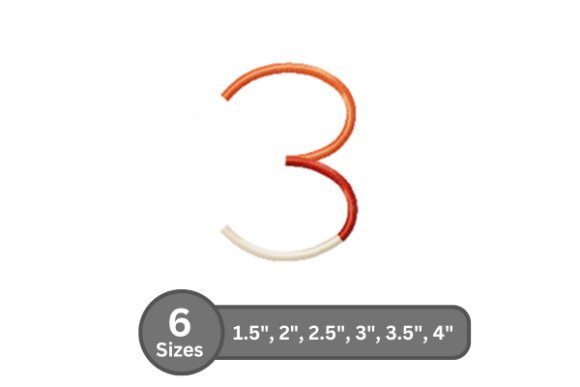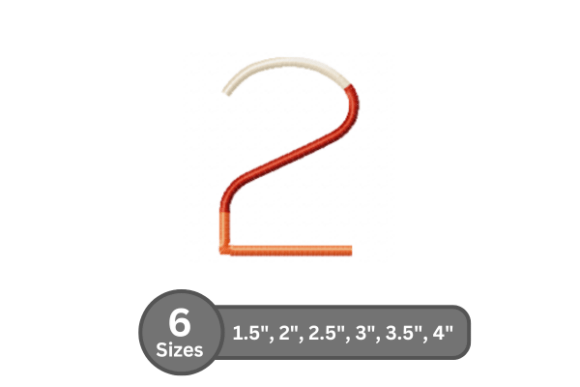
Color Bar Number -2: The Secret to Professional Fill Stitch Embroidery
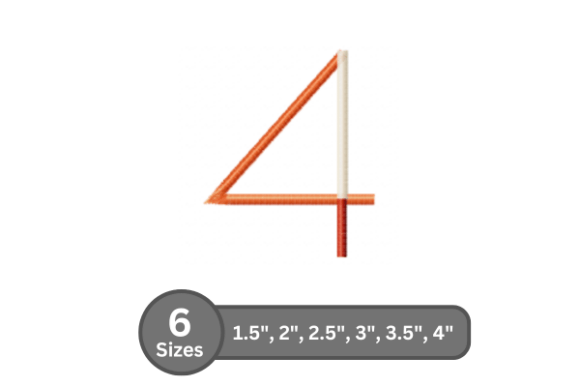
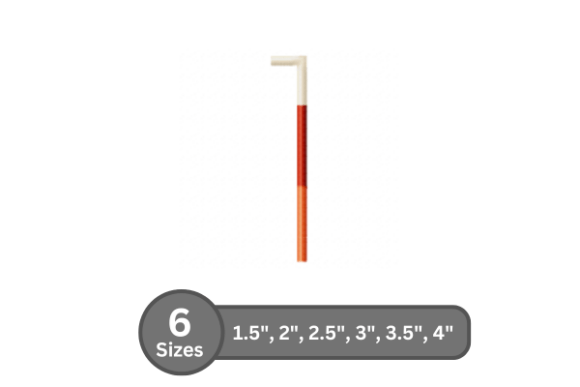
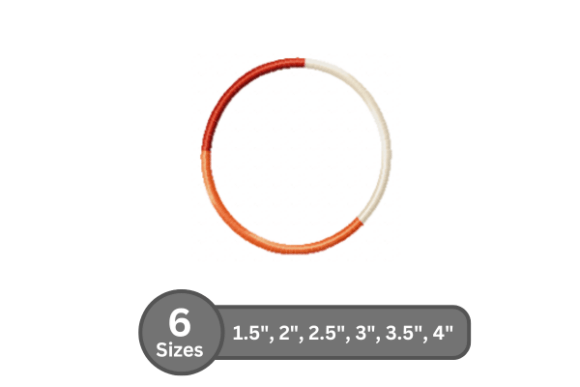
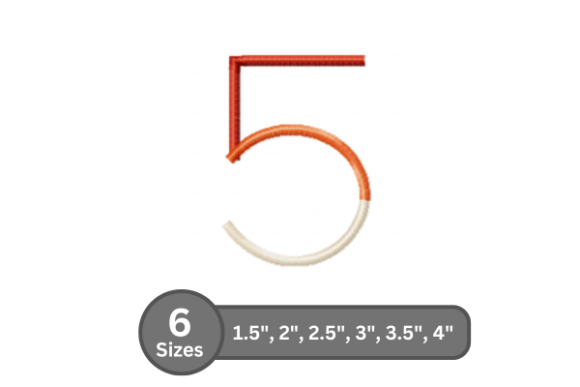
Many crafters and small business owners assume that buying an embroidery font guarantees a perfect result. They download the file, load it into their machine, and expect the stitching to look exactly like the digital preview. However, the difference between a amateurish project and a professional finish often comes down to the specific digitization quality of the font itself. This is where Color Bar Number -2 stands out as a critical resource for anyone serious about textile personalization.
This fill stitch embroidery font is not just another collection of letters; it is carefully digitized to ensure smooth stitching and professional results on various fabric types. Designed specifically for modern embroidery machines, it bridges the gap between creative vision and mechanical execution. Whether you are monogramming hand towels, branding tote bags, or adding names to home décor items, the stability and clarity of your lettering depend heavily on the underlying stitch data.
Understanding the Value of Careful Digitization
When people search for an alphabet font for their projects, they often focus solely on the aesthetic style—the shape of the "A" or the flourish of the "G". While visual appeal is important, the technical construction of the font is what determines its longevity and usability. Color Bar Number -2 addresses this by prioritizing stitch flow and density control.
In the world of machine embroidery, "fill stitch" refers to the technique used to cover a large area with thread, creating a solid block of color. If a fill stitch font is poorly digitized, the resulting text can appear lumpy, puckered, or even unravel over time. With Color Bar Number -2, each letter has been engineered to distribute tension evenly across the design. This means the thread lays flat against the fabric rather than pulling it into unsightly ripples. For entrepreneurs selling personalized goods, this level of detail is non-negotiable. A customer might forgive a slightly crooked placement, but they will rarely accept a design that looks distorted or feels rough to the touch.
Common Pitfalls When Choosing Embroidery Fonts
One of the most frequent mistakes beginners make is assuming all fonts are created equal. Many free or low-cost fonts available online lack the necessary stitch compensation for different materials. Users often download a generic font, apply it to a thick towel, and watch in frustration as the machine struggles to penetrate the dense pile, resulting in skipped stitches or broken needles.
Another common oversight is ignoring the versatility of sizing. Some fonts look acceptable at a large scale but fall apart when reduced for a small logo or a child's name tag. The internal structure of the letter may become too thin, causing the thread to break or the design to lose definition. Color Bar Number -2 solves this by offering multiple sizes for each letter. This ensures that whether you are embroidering a massive banner or a delicate cuff, the stitch count remains optimized for the scale.
Furthermore, many creators fail to test their designs before committing to a full production run. They skip the step of stitching a sample on a scrap piece of the actual fabric they intend to use. Without this test, they cannot see how the specific density of the fill stitch interacts with the weave of their material. This leads to wasted stabilizer, thread, and time.
How Poor Choices Impact Your Projects
The consequences of using a subpar font extend beyond a single ruined item. For a hobbyist, it might mean a disappointing gift. For a small business owner, it can lead to costly returns, damaged reputation, and lost revenue. If your monograms look messy or your custom lettering fails to adhere properly, clients will question the quality of your entire service.
Additionally, inefficient digitization can cause mechanical issues. Fonts with erratic stitch directions or excessive jumps can wear down your machine's needle and motor faster than necessary. By choosing a well-constructed font like Color Bar Number -2, you protect your equipment and ensure a smoother workflow. The classic and bold stitched look it provides is not just about aesthetics; it is about structural integrity.
Practical Steps for Success with Color Bar Number -2
To get the most out of this versatile tool, you need to approach your projects with a strategic mindset. Here are several practical steps to avoid common errors and achieve consistent, high-quality results.
- Select the Right Stabilizer: Even the best font requires proper support. For fill stitch designs, especially on stretchy fabrics like t-shirts or heavy items like towels, use a cut-away or tear-away stabilizer appropriate for the weight of the material. Do not skimp here, as the stabilizer holds the fabric taut while the needle works.
- Honor the Size Variations: Take advantage of the multiple sizes included in Color Bar Number -2. Instead of forcing a small letter to fit a tiny space by shrinking it digitally, select the pre-digitized small version. This preserves the stitch density and prevents the design from looking pixelated or thread-bare.
- Test Before You Commit: Always run a test stitch on a scrap of your final fabric. Check for puckering, registration issues, and thread breaks. If the test reveals problems, adjust your hoop tension or stabilizer choice before starting the actual project.
- Maintain Your Machine: Use sharp needles suitable for the fabric type. A dull needle can damage the thread during the intricate movements required by fill stitch fonts, leading to fraying and uneven coverage.
Evaluating Quality Before You Buy or Download
Before integrating any new font into your workflow, it is wise to evaluate its compatibility with your specific needs. Ask yourself if the font supports the range of projects you typically undertake. Does it offer enough size options for both large signage and small accessories? Is the digitization clean, with minimal jump stitches that could snag on loose threads?
With Color Bar Number -2, you can be confident in these areas. The font is designed to be easy-to-use, reducing the learning curve for those who are new to machine embroidery while offering the reliability professionals demand. It eliminates the guesswork often associated with custom lettering, allowing you to focus on creativity rather than troubleshooting technical glitches.
Consider the long-term value of investing in quality assets. A font that performs consistently across different projects saves you time in the long run. You spend less time fixing mistakes and more time fulfilling orders or enjoying your crafting hobbies. The ability to add a classic and bold stitched look to clothing, bags, towels, and home décor projects becomes effortless when the foundation is solid.
Final Thoughts on Elevating Your Craft
Embroidery is a blend of art and engineering. The beauty of the final product relies on the precision of the digital file driving the machine. By choosing Color Bar Number -2, you are making a decision to prioritize quality and consistency. You are avoiding the pitfalls of poor digitization and ensuring that every name, monogram, or creative lettering project reflects the care and professionalism you bring to your work.
Whether you are a freelancer building a portfolio, a blogger documenting your creative journey, or a business owner scaling your production, the tools you choose matter. Embrace resources that are built to perform, and watch your confidence and output quality rise. With the right font and the right approach, your next project will not just be stitched; it will be crafted to last.