Color Bar Number -1: A Strategic Guide to Professional Embroidery Fonts
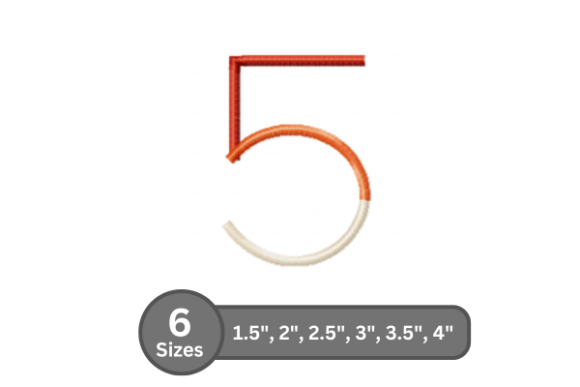
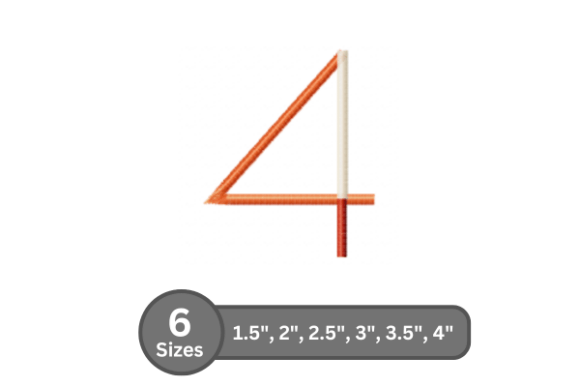
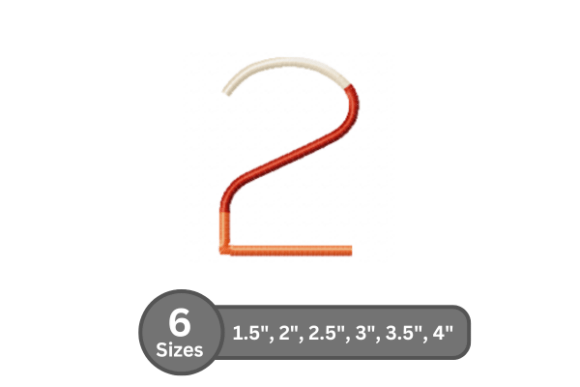
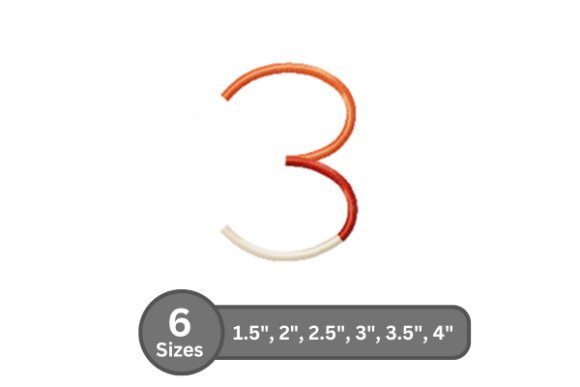
In the realm of textile customization and digital embroidery, precision is not merely an aesthetic preference; it is a functional necessity that dictates the longevity and perceived value of a finished product. The Color Bar Number -1 fill stitch embroidery font represents a specific class of digitized assets designed to bridge the gap between digital design intent and physical thread execution. Unlike standard text fonts intended for screen display, this tool is engineered specifically for the mechanical constraints and creative potential of embroidery machines. Understanding how to leverage Color Bar Number -1 effectively allows creators, small business owners, and professional embroiderers to move beyond simple decoration into the realm of strategic branding and high-quality production.
The Mechanics of Fill Stitch and Digitization Quality
To appreciate the utility of Color Bar Number -1, one must first understand the mechanics of the fill stitch technique. In embroidery, a fill stitch involves the machine laying down rows of thread in a zigzag pattern to cover a specific area, creating a solid block of color or texture. This technique is distinct from satin stitching, which uses long, parallel stitches typically found on outlines. The quality of a fill stitch font depends entirely on the digitization process—the conversion of vector graphics into machine-readable instructions (stitch files).
Color Bar Number -1 has been carefully digitized to ensure smooth stitching, a critical factor often overlooked by hobbyists but prioritized by professionals. Poor digitization results in "bird's nesting," where threads tangle underneath the fabric, or uneven density that causes puckering. By utilizing a font like Color Bar Number -1, which is optimized for thread tension and needle movement, you reduce the risk of machine errors and material waste. This optimization ensures that the final output maintains structural integrity, whether applied to a heavy canvas tote bag or a delicate cotton towel.
Why Smooth Stitching Matters for Brand Perception
For entrepreneurs and marketers, the tactile quality of a product is a direct extension of brand identity. A logo or monogram that feels rough, lumpy, or prone to snagging undermines the perceived value of the item. Color Bar Number -1 delivers a classic and bold stitched look that communicates professionalism. When clients receive personalized clothing or home décor items featuring this font, they are not just seeing a name; they are experiencing a level of craftsmanship that suggests reliability and attention to detail. This subtle psychological cue can be the deciding factor in customer retention and repeat business.
Strategic Applications Across Industries
The versatility of Color Bar Number -1 lies in its adaptability across various substrates and project scales. Because each letter comes in multiple sizes, this font serves as a foundational asset for diverse operational needs. It is not limited to a single niche but rather functions as a flexible tool for personalization strategies ranging from individual hobbies to large-scale corporate gifting.
- Apparel Customization: For fashion designers and boutique owners, this font offers a robust solution for labeling and branding. The bold nature of the fill stitch ensures legibility even on textured fabrics like denim or fleece, making it ideal for jackets, caps, and uniforms.
- Home Décor and Hospitality: Hotels, resorts, and interior designers frequently require customized linens. Towels, pillowcases, and table runners embroidered with Color Bar Number -1 provide a durable, washable, and elegant finish that withstands commercial laundering cycles better than printed alternatives.
- Accessories and Bags: Leather goods, canvas totes, and backpacks benefit from the depth and dimension provided by fill stitches. The font's structure holds up well against the friction and stress these items endure daily.
When planning a product line, decision-makers should consider the visual weight of the font. Color Bar Number -1 provides a substantial presence, making it suitable for primary branding elements rather than fine print. This distinction helps in maintaining visual hierarchy in design layouts, ensuring that the most important information—such as a company name or a recipient's monogram—commands immediate attention.
Optimizing Workflow and Production Efficiency
Efficiency in embroidery operations is often determined by the ease of use and reliability of the digital assets employed. One of the primary advantages of Color Bar Number -1 is its user-friendly design, which streamlines the workflow for both novice operators and seasoned technicians. The font is ready for immediate use in most major embroidery software platforms, reducing the time spent on manual adjustments or troubleshooting stitch paths.
Scaling for Versatility
The ability to scale letters without losing definition is a hallmark of well-digitized fonts. With Color Bar Number -1, users can adjust the size of characters to fit varying design constraints while maintaining the integrity of the fill stitch. This scalability is crucial for projects requiring mixed typography, such as a large monogram accompanied by smaller text details. However, it is essential to approach scaling strategically. While the font supports multiple sizes, extreme reductions may compromise stitch density, leading to gaps in the fill. Conversely, excessive enlargement might require additional underlay stitches to prevent fabric distortion. Understanding these limits allows planners to set realistic expectations and avoid costly rework.
Risk Assessment: Avoiding Common Pitfalls
Despite its strengths, relying on Color Bar Number -1 without clear goals or context can lead to suboptimal results. A common mistake among beginners is treating all embroidery fonts as interchangeable. The bold, filled nature of this font may not be appropriate for every design scenario. For instance, on very thin or stretchy fabrics, a heavy fill stitch can cause significant puckering if the stabilizer and hoop tension are not correctly adjusted. Similarly, using a dense fill font for intricate, small-scale lettering on a curved surface like a baseball cap brim can result in poor registration and a messy appearance.
Furthermore, there is a risk of over-personalization. In corporate environments, adding too many custom elements can dilute brand consistency. Before integrating Color Bar Number -1 into a broader branding strategy, stakeholders should evaluate whether the bold, stitched aesthetic aligns with their overall visual identity. If a brand relies on minimalism or fluid lines, a heavy fill stitch might feel out of place. Strategic alignment ensures that the customization enhances rather than detracts from the core message.
Decision-Making Framework for Implementation
To maximize the value of Color Bar Number -1, adopt a structured approach to its implementation. Begin by defining the specific objectives of the project. Are you aiming for durability, luxury, visibility, or cost-efficiency? Once the goal is established, assess the substrate and the environment in which the item will be used.
- Evaluate Fabric Compatibility: Test the font on a sample swatch of the intended material. Observe how the fill stitch interacts with the weave and weight of the fabric.
- Determine Size Requirements: Use the multi-size capability of the font to experiment with different scales. Ensure that the smallest character remains legible and the largest does not overwhelm the design space.
- Consider Color Contrast: Since Color Bar Number -1 creates a solid block of color, choose thread colors that offer sufficient contrast against the background fabric to ensure readability.
- Plan for Maintenance: Acknowledge that fill stitches are generally more durable than printed graphics, but they still require proper care. Advise end-users on washing and handling instructions to preserve the quality of the embroidery.
By following this framework, professionals can mitigate risks and ensure that the use of Color Bar Number -1 contributes positively to the final outcome. This intentional approach transforms a simple font selection into a strategic decision that supports long-term operational goals.
Long-Term Value and Creative Potential
Investing in high-quality digitized fonts like Color Bar Number -1 yields returns that extend beyond a single project. Over time, the consistency achieved through reliable assets builds a reputation for quality. Clients and customers begin to associate the specific look and feel of your work with trustworthiness and expertise. Moreover, the versatility of the font encourages creativity. Designers can mix and match sizes, combine the font with other stitch types, and explore new applications without worrying about technical failures.
In a market saturated with generic options, the deliberate choice of a professionally digitized font sets a project apart. It signals a commitment to excellence and an understanding of the craft. Whether you are a freelancer building a portfolio, a small business owner launching a product line, or an educator teaching the next generation of artisans, Color Bar Number -1 offers a robust foundation for success. By grounding your decisions in practical knowledge and strategic planning, you ensure that every stitch contributes to a cohesive, high-value result.