Daisy Joy Alphabet - O: A Practical Guide to Implementation
In the realm of textile customization and machine embroidery, precision is not merely an aesthetic preference; it is a functional necessity. The Daisy Joy Alphabet - O represents a specific asset within a larger digitized library, designed to bridge the gap between conceptual design and physical execution. For professionals managing custom orders, hobbyists refining their craft, or small business owners building a brand identity, understanding how to integrate this specific letter into a workflow is critical for maintaining quality and efficiency. This guide explores the practical application of the Daisy Joy Alphabet - O, focusing on preparation, execution, and integration into broader creative processes.
Understanding the Asset in Context
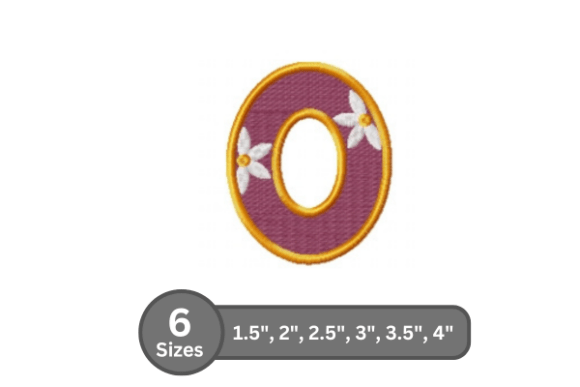
The Daisy Joy Alphabet - O is more than a simple shape; it is a carefully engineered set of stitch data. Unlike standard fonts found in graphic design software, machine embroidery files must account for fabric tension, thread weight, and needle movement. This specific design features a stylish stitched font with smooth curves and satin coverage, characteristics that demand a higher level of technical attention during the stitching process. When you select the Daisy Joy Alphabet - O for a project, you are committing to a workflow that prioritizes clean, crisp results over speed.
This asset fits into the broader embroidery process as a modular component. Whether you are creating a monogram for a luxury handbag, personalizing a set of kitchen towels, or branding promotional items, the letter "O" serves as a foundational element. Its versatility lies in its ability to scale across multiple sizes without losing definition, provided the digitization parameters are respected. Understanding the nature of this file helps creators anticipate potential challenges, such as stabilizer requirements or hoop selection, before the machine even begins to run.
Pre-Production Planning and Preparation
Successful implementation of the Daisy Joy Alphabet - O begins long before the thread is threaded through the needle. The pre-production phase is where most errors occur, often resulting from a lack of planning regarding size, placement, and material compatibility. Before initiating the design, assess the intended substrate. The satin coverage inherent in this font style interacts differently with knit fabrics compared to woven materials. On stretchy knits, the dense stitching may cause puckering if not properly supported, whereas on stable wovens like linen or cotton canvas, the design can stand alone with minimal backing.
Workflow efficiency depends heavily on accurate sizing calculations. Because the Daisy Joy Alphabet - O comes in multiple sizes, the creator must determine the optimal dimensions based on the available hoop space and the visual balance of the final product. If the letter is part of a larger name or word, consistency is key. Ensure that the scale of the "O" matches the other letters in the sequence to maintain professional uniformity. This step often involves using embroidery software to preview the layout, checking for spacing issues that could lead to thread breaks or registration errors.
Furthermore, consider the color palette and thread type. Satin stitches require high-quality polyester or rayon threads to achieve the desired sheen and smoothness. Cheap threads may fray or fail to cover the background fabric evenly, undermining the clean look promised by the digitization. Preparing the workspace with the correct needles, stabilizers, and bobbins ensures that the execution phase proceeds without interruption, saving valuable time and reducing material waste.
Execution: Integrating the Design into the Workflow
During the actual stitching process, the interaction between the machine, the software, and the physical materials becomes paramount. The Daisy Joy Alphabet - O is designed to be user-friendly, but its success relies on proper setup. Load the file into your embroidery machine or software interface, ensuring that the orientation matches the hooped fabric. One common pitfall is neglecting to secure the fabric adequately. Since this font features curved edges, the tension of the fabric must remain consistent throughout the stitching cycle to prevent distortion.
For complex projects involving multiple colors or layers, the workflow should include a test run on a scrap piece of the same fabric. This allows you to verify that the stitch density is appropriate and that the "O" maintains its structural integrity. If the design appears too loose, increasing the underlay stitches in the software settings can provide better support. Conversely, if the fabric is pulling, adjusting the hoop tension or adding a cutaway stabilizer might be necessary. These adjustments are part of the iterative process that separates amateur attempts from professional-grade output.
Efficiency also plays a role here. If you are producing a batch of personalized items, such as branded aprons for a corporate event, organizing your production line is essential. Prepare all hoops with the Daisy Joy Alphabet - O positioned correctly before starting the first machine. This minimizes downtime between runs and ensures that every item receives identical treatment. Consistency in execution builds trust with clients and reinforces the reputation of the creator as a reliable provider of high-quality embroidery services.
Post-Production Quality Control and Finishing
Once the machine has completed the stitching, the work is not finished. The post-production phase involves rigorous quality control to ensure the Daisy Joy Alphabet - O meets the expected standards. Inspect the back of the embroidery for loose threads or excessive bobbin thread showing through. While some bobbin visibility is normal, significant exposure indicates a tension issue that needs correction in future runs. Trim any stray threads carefully to maintain the clean aesthetic of the satin stitches.
Pressing the finished item is another critical step. Use a pressing cloth to protect the raised texture of the embroidery while applying heat. This flattens the surrounding fabric and sets the stitches, giving the final product a polished appearance. For items like clothing or bags, ensure that the embroidery does not interfere with seams or zippers. Proper finishing touches demonstrate attention to detail and enhance the perceived value of the product.
Documentation is also a valuable part of the post-production workflow. Record the settings used for successful runs, including stabilizer type, thread brand, and tension adjustments. This creates a reference library for future projects, allowing you to replicate the success of the Daisy Joy Alphabet - O without reinventing the wheel each time. Over time, these records become an invaluable resource for scaling operations and training new team members.
Strategic Applications and Business Integration
Beyond the technical aspects, the Daisy Joy Alphabet - O offers strategic advantages for various types of users. For entrepreneurs running a small embroidery business, this design can serve as a versatile tool for rapid prototyping. Clients often request monograms or initials, and having a high-quality, scalable letter "O" ready in the library speeds up the quoting and production process. It allows for quick turnaround times, which is a competitive advantage in the market.
Marketers and brand managers can utilize this asset for creating cohesive promotional materials. By incorporating the Daisy Joy Alphabet - O into custom apparel or accessories, brands can create a unified visual identity that resonates with their audience. The stylish font adds a touch of elegance that elevates standard merchandise into premium gifts. Educators and workshop leaders can also use this design to teach students about digitization principles, demonstrating how curve management and stitch direction impact the final outcome.
Long-term use of the Daisy Joy Alphabet - O requires regular maintenance of the digital files and equipment. Keep the software updated to ensure compatibility with newer machine models. Periodically check the condition of needles and replace them frequently to prevent damage to the fabric or thread. By treating the design as a core component of a sustainable workflow, users can maximize its utility and extend its lifespan across countless projects.
Conclusion on Process and Value
The Daisy Joy Alphabet - O is a powerful tool when approached with a structured mindset. It is not just a decorative element but a functional asset that demands careful planning, precise execution, and diligent quality control. By integrating this design into a well-defined workflow, creators can achieve consistent, high-quality results that meet the demands of both personal and professional projects. Whether you are crafting a single heirloom piece or managing a large-scale production run, the principles of preparation, execution, and refinement remain constant. Embracing these practices ensures that every stitch contributes to a final product that is as durable and reliable as it is beautiful.