Twin Fill Number -7: A Whimsical Embroidery Design
In the world of textile customization, finding a design that strikes the perfect balance between simplicity and character can be a challenge. Many patterns are either too complex for quick production or too generic to make a statement. Enter Twin Fill Number -7, a machine embroidery design that brings a dash of charm to any fabric project. Whether you are a seasoned entrepreneur running a custom apparel business or a hobbyist looking to personalize home decor, this design offers a playful, whimsical touch that elevates standard items into unique pieces.
The Essence of Twin Fill Number -7
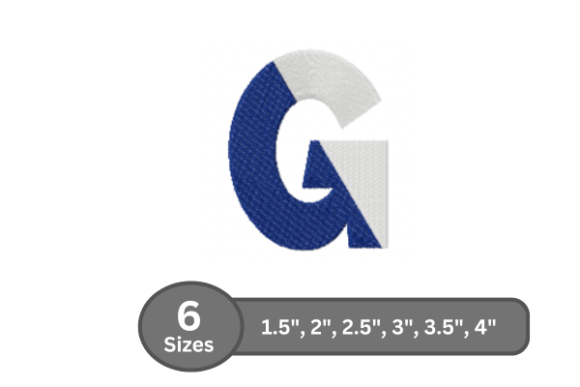
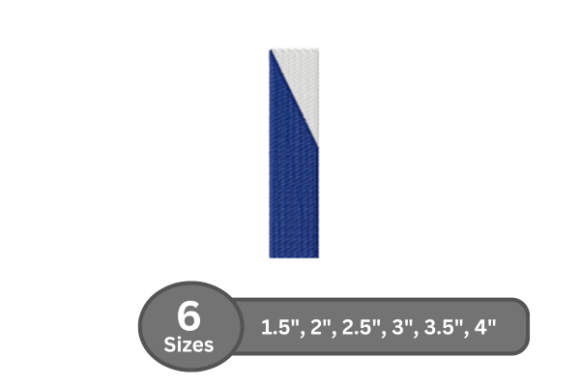
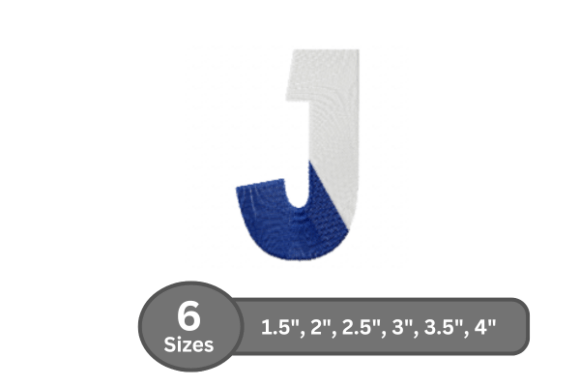
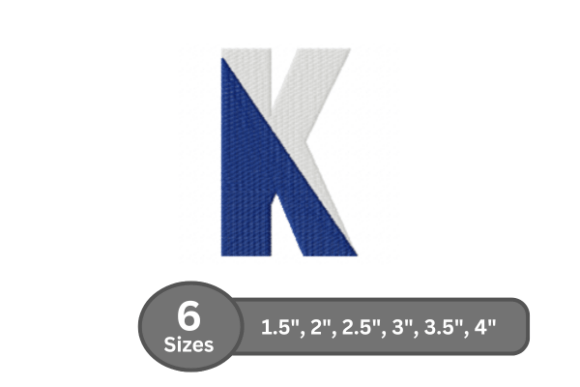
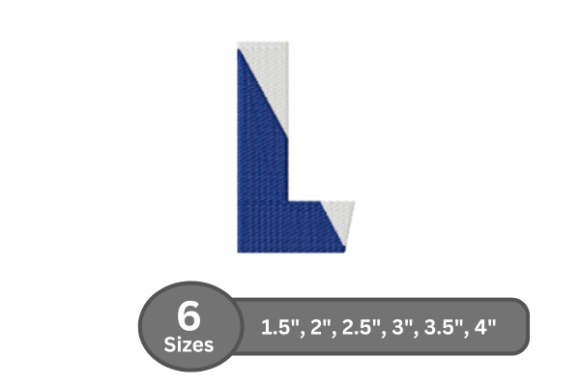
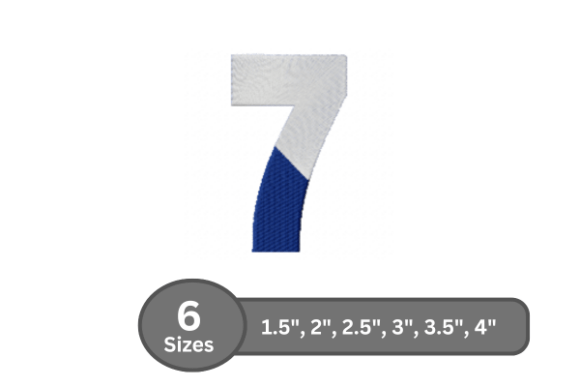
At its core, Twin Fill Number -7 is more than just a digit; it is a stylistic element designed with specific aesthetic goals in mind. The "Twin Fill" aspect refers to the stitching technique used to create the number, utilizing two distinct layers or types of fill stitches to add depth and texture. This method prevents the flat, plastic-like appearance often seen in cheaper embroidery, giving the number a soft, dimensional quality that catches the light beautifully.
The "-7" component adds a specific numerical identity, but the true value lies in how it is rendered. The design incorporates rounded edges and subtle flourishes that soften the geometric rigidity of the numeral. It is crafted to be versatile, maintaining its integrity whether stitched on a thick terry cloth towel or a delicate cotton blend t-shirt. For professionals who understand the nuances of thread tension and stitch density, this design represents a reliable asset that delivers consistent results across various materials.
Key Characteristics and Technical Strengths
When evaluating an embroidery file for your workflow, technical reliability is paramount. Twin Fill Number -7 excels in several areas that matter to both machines and operators:
- Multi-Format Compatibility: One of the most significant advantages of this design is its availability in multiple embroidery file formats. Whether your setup relies on .PES, .DST, .JEF, or other industry-standard extensions, this design integrates seamlessly. This flexibility ensures that you do not need to purchase separate files for different machines, streamlining your inventory management.
- Optimized Stitch Density: The design has been engineered with balanced stitch density. This means it provides enough coverage to look solid without causing puckering on lighter fabrics. The twin-fill technique distributes the thread weight evenly, reducing stress on the stabilizer and the fabric itself.
- Scalability: While the default size is optimized for standard applications, the vector-based nature of the underlying pattern allows for moderate scaling without losing definition. This makes it suitable for everything from small logo placements on caps to larger statement pieces on tote bags.
Practical Applications Across Industries
The versatility of Twin Fill Number -7 extends far beyond simple decoration. Its clean lines and charming aesthetic make it applicable in a wide range of personal, professional, and commercial environments.
Personalization for Home and Lifestyle
For the home enthusiast, this design transforms everyday items into personalized treasures. Imagine embroidering the number onto a set of kitchen towels, instantly turning them into a cohesive, stylish set. It works exceptionally well on bathrobes, adding a touch of luxury to a spa-like bathroom experience. In the realm of children's decor, the playful nature of the font makes it ideal for nursery blankets or sleep sacks, where durability and softness are critical. Parents often seek designs that feel handmade yet professional, and this pattern delivers exactly that.
Commercial Branding and Apparel
Entrepreneurs and small business owners can leverage Twin Fill Number -7 for limited edition runs or team uniforms. A local sports team might use it to denote player numbers on practice jerseys, while a boutique clothing brand could incorporate it as part of a seasonal collection. The whimsical quality of the design appeals to consumers looking for something slightly off-beat compared to standard corporate branding. It signals creativity and attention to detail, qualities that resonate with modern shoppers who value authenticity.
Furthermore, educators and event planners can use this design for graduation memorabilia, yearbook covers, or commemorative shirts for milestone birthdays. The ability to produce high-quality, durable embroidery quickly makes it a cost-effective solution for bulk orders without sacrificing visual appeal.
Digital Creators and Content Marketing
In the digital age, physical products serve as powerful tools for content creation. Bloggers, influencers, and YouTubers often showcase DIY projects or product reviews. Using Twin Fill Number -7 in a tutorial video demonstrates technical skill and provides viewers with a tangible example of what is possible with home embroidery machines. The visual contrast of the twin fill against different colored threads creates engaging imagery for social media platforms like Instagram and Pinterest, driving traffic and engagement through high-quality visuals.
Maximizing Value and Efficiency
Implementing Twin Fill Number -7 into your workflow offers tangible benefits regarding efficiency and user experience. Because the design is pre-hooped and tested, it reduces the time spent on digitization and troubleshooting. This allows creators to focus on the creative aspects of their projects rather than fighting with machine errors. The consistent stitch count also helps in accurately estimating production times and material costs, which is crucial for businesses operating on tight margins.
Moreover, the design enhances the perceived value of the final product. Hand-stitched or machine-embroidered items generally command higher prices than screen-printed alternatives due to their tactile quality and longevity. By using a design that highlights these textural elements, you are effectively communicating quality to your end-user. The durability of the twin-fill technique ensures that the number remains legible and attractive even after repeated washing, extending the lifecycle of the garment or item.
Considerations for Implementation
While Twin Fill Number -7 is highly adaptable, successful application requires some practical considerations. First, always test the design on a scrap piece of the actual fabric you intend to use. Different fabrics react differently to needle penetration and thread tension. If working with stretchy knits, ensure you use the appropriate stabilizer to prevent distortion during the stitching process.
Secondly, consider the thread color palette. The whimsical nature of the design shines when paired with contrasting colors, but subtle tonal variations can also create a sophisticated, understated look. Experimenting with metallic or variegated threads can further enhance the twin-fill effect, adding a layer of complexity that delights the eye.
Finally, keep your maintenance routine in check. Regularly cleaning your machine's bobbin area and replacing needles ensures that the intricate details of the Twin Fill Number -7 are rendered flawlessly. A dull needle can cause skipped stitches, ruining the smooth finish that defines this design.
Ultimately, Twin Fill Number -7 is a tool that bridges the gap between functional utility and artistic expression. It empowers creators to add a personal signature to their work, whether they are crafting a gift for a loved one or building a brand identity. With its robust technical foundation and charming aesthetic, it stands out as a valuable addition to any embroidery library, ready to bring life and character to fabrics everywhere.